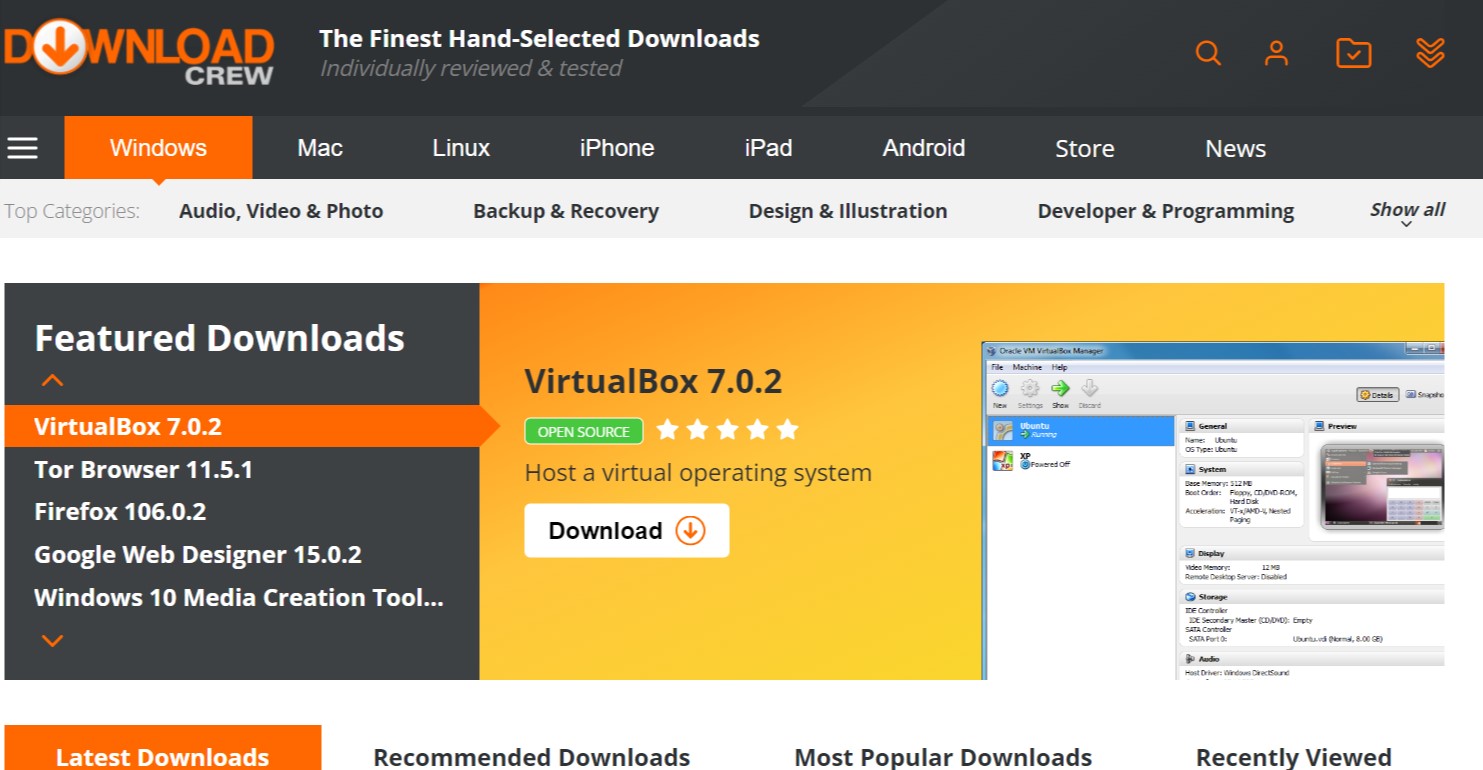
Choosing the right approach to downloading files on your device starts with clear context, practical filters, and realistic expectations.
Introduction to Downloading Files
Downloading files on your device is a common practice, but it can also pose significant security risks if not done properly. With the rise of mobile devices and cloud storage, it's easier than ever to download and share files. However, this convenience comes with a price, and users must be aware of the potential dangers of downloading files from unknown sources.
Understanding the Risks of Downloading Files
When you download a file on your device, you're essentially inviting a stranger into your home. The file could be infected with malware, spyware, or other types of viruses that can compromise your device's security and put your personal data at risk. Moreover, downloading files from unknown sources can also lead to copyright infringement, which can result in serious legal consequences.
Common Mistakes to Avoid One of the
most

common mistakes people make when downloading files is ignoring the warning signs. If a website or app asks you to disable your antivirus software or ignore security warnings, it's likely a scam. Another mistake is downloading files from untrusted sources, such as torrent sites or peer-to-peer networks. These sources often host infected files, and downloading from them can put your device and personal data at risk.
Choosing the Right Download Method
There are several ways to download files on your device, and the right method for you will depend on your specific needs and preferences. Here are some popular options:
- Google Drive: A cloud-based storage service that allows you to store and download files from anywhere.
- Dropbox: A file-sharing platform that enables you to share and download files with others.
- Microsoft OneDrive: A cloud-based storage service that comes with Microsoft Office and allows you to store and download files.
- pCloud: A cloud-based storage service that offers secure and efficient file storage and download capabilities.
- WeTransfer: A file-sharing platform that enables you to share and download large files securely.
Managing Downloaded Files Once you've downloaded a file on your device, it's essential to manage it properly.
This includes organizing your downloads folder, deleting unnecessary files, and updating your antivirus software regularly. You should also be cautious when opening downloaded files, especially if they're from unknown sources.
Best Practices for File Management
Here are some
best practices for managing downloaded files:
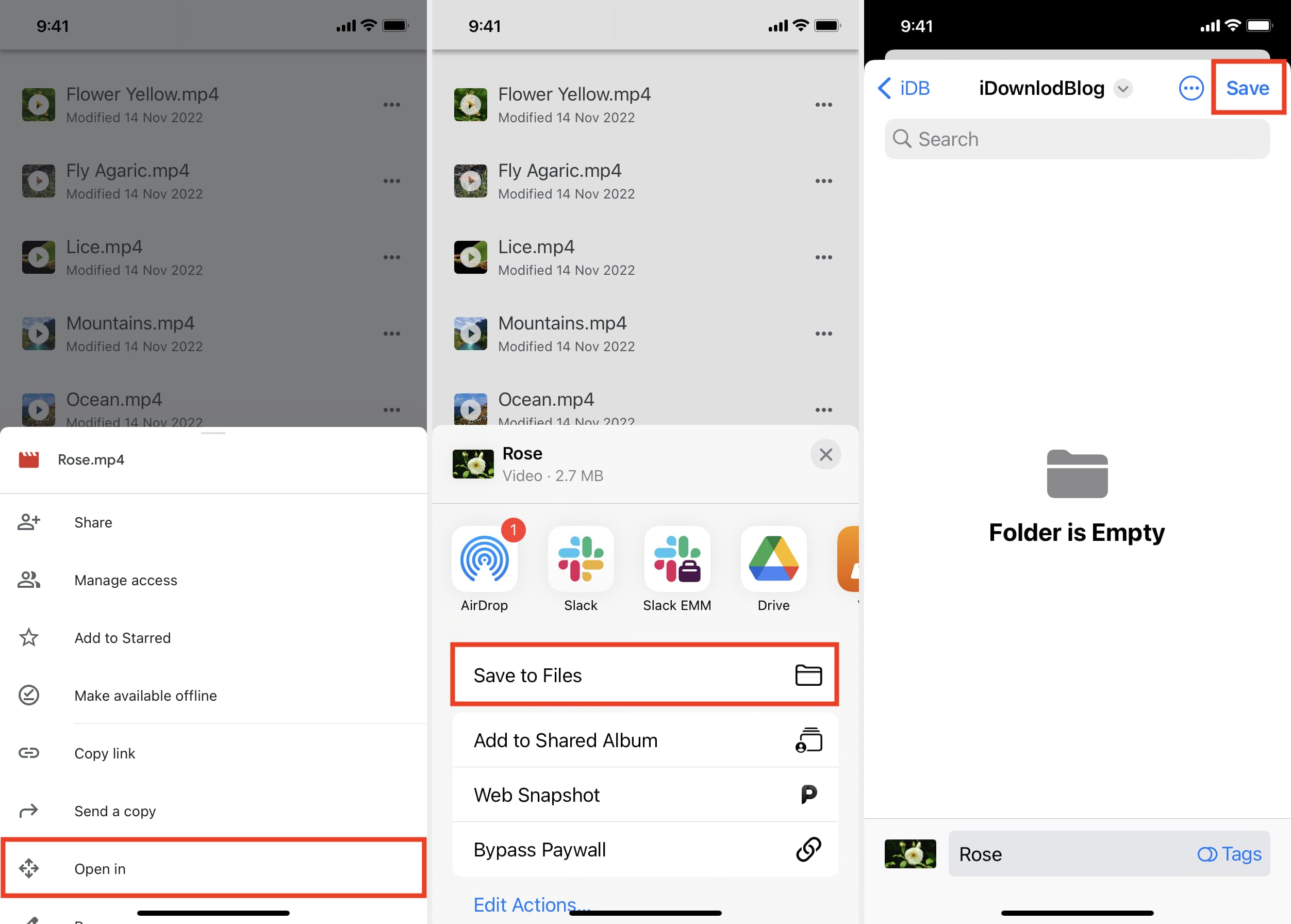
- Use a downloads folder: Designate a specific folder for your downloads, and keep it organized by categorizing files into subfolders.
- Delete unnecessary files: Regularly clean out your downloads folder by deleting files you no longer need.
- Update your antivirus software: Keep your antivirus software up-to-date to ensure you have the latest protection against malware and viruses.
Ensuring Device Security Downloading files on your device can pose significant security risks, but there are steps you can take to ensure your device remains secure.
Here are some tips:
- Use antivirus software: Install reputable antivirus software on your device, and keep it updated regularly.
- Avoid suspicious links: Be cautious when clicking on links from unknown sources, as they may lead to malware or phishing sites.
- Keep your operating system up-to-date: Regularly update your operating system to ensure you have the latest security patches and features.
Conclusion
Downloading files on your device can be a convenient and efficient way to access the information you need.
However, it's essential to be aware of the potential security risks and take steps to protect yourself. By choosing the right download method, managing your downloaded files properly, and ensuring device security, you can minimize the risks associated with downloading files and stay safe online.